Estimated reading time: 8 minutes
Key Takeaways
- An open house converts particularly well when trial training, interactive stations, personal consultation, and a clear follow-up come together – practical evidence shows this in local examples such as the example from Bonn.
- Lower the entry barriers: free participation, provided equipment, and a relaxed atmosphere are key – see also the regional practical example “just try tennis”.
- Use complementary formats such as summer camps and tournaments to further qualify interested parties after initial contact.
- Guide your event based on data: Use clear recommendations such as the success factors for tennis clubs (processes, standard formats, follow-up).
- Remember the follow-up: Lead capture, segmented follow-up, trial training offers, and introductory discounts drive new registrations.
Table of Contents
- Why an open house is important for tennis schools
- The impact chain of an event in the tennis school
- Open house as a planable acquisition channel
- The concept of “Tennis School Open House”
- Planning and organization
- Marketing and promotion
- Additional event formats
- Lead management and follow-up
- Success measurement and optimization
- Conclusion and recommendations
- FAQ
Why an open house is important for tennis schools
Are you wondering if an open house at the tennis school really brings new students? The short answer: Yes – if you do it right. Visitors get immediate access to the facility, coaches, and program – without barriers. A concrete practical example is provided by “just try tennis” in Sankt Augustin; a example from Bonn also shows how well formats with trial training, advice, and free offerings convert.
“The easier the first rally, the easier the later registration.”
The impact chain of an event in the tennis school
An open house at the tennis school follows a clear chain: Attention → Participation → Trial training → Course booking/Membership. Each stage needs a concrete offer and a next step – from spontaneous participation to a binding booking.
- Free participation for first-time visitors
- Provided equipment (rackets, balls) reduces barriers
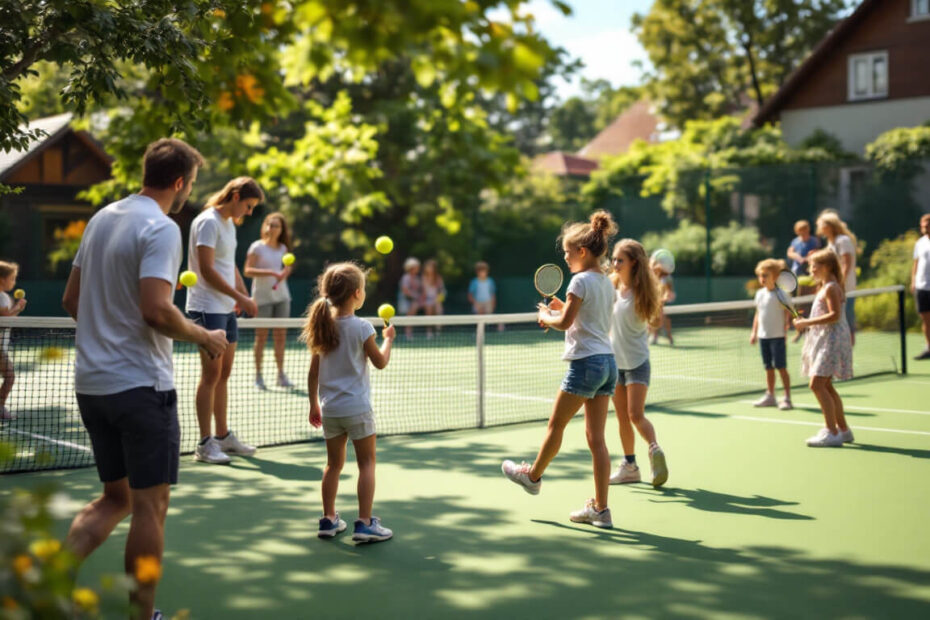
- Relaxed, family-friendly atmosphere for all age groups
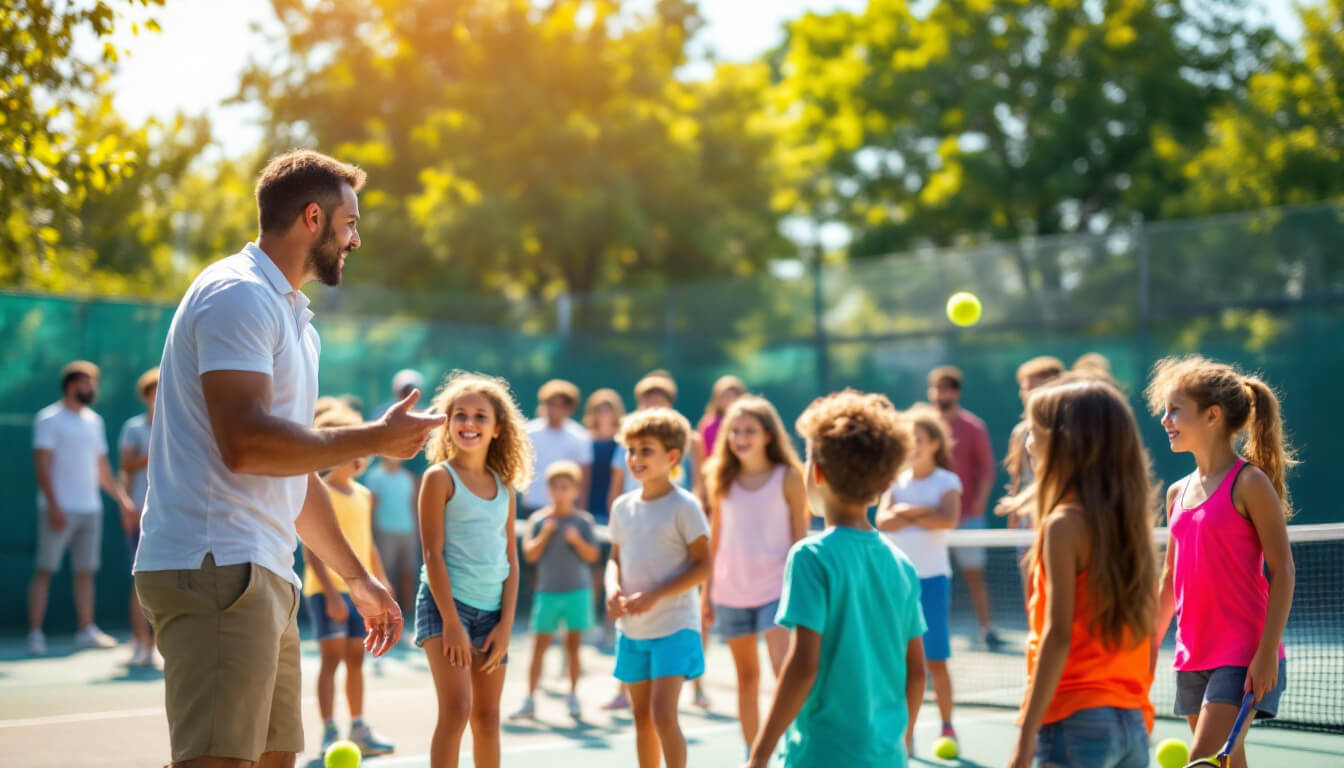
- Personal contact with coaches for guidance and advice
Easy access creates trust – and trust sells.
Open house as a planable acquisition channel
From a business perspective, an event is a planable acquisition channel. Guidelines such as the success factors for tennis clubs demonstrate that standardized processes with clear components support member acquisition.
- Open house as a first contact generator
- Trial training as a conversion bridge
- Open tournaments for visibility and retention
The concept of “Tennis School Open House”
An open house is a low-barrier introductory event where interested parties can spontaneously experience the facility, coaching team, and training options. Unlike a trial course (often structured and requiring registration), the focus here is on the spontaneous first encounter.
- Advantages for the school: Visibility, personal impression, trust-building, quick qualification
- Advantages for participants: non-binding introduction, trying out without equipment, consultation on entry options
- Optimal timing: Weekend, morning/afternoon for families, children, working people
- Typical schedule: 3–5 hours with participation offers, consultation, show/game segments
Planning and organization of a successful open house
- Location & infrastructure: Sufficient spaces, clear pathways, check-in, information point, first-aid kit
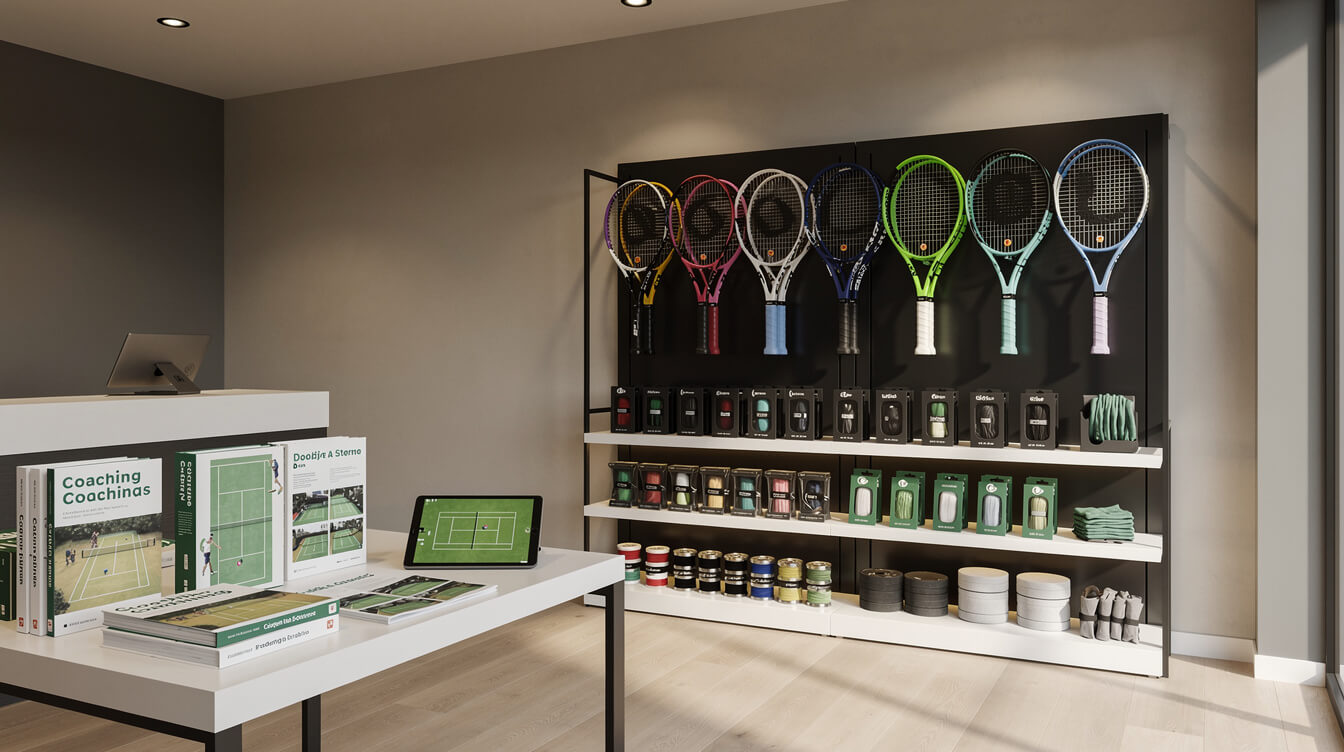
- Equipment: Rackets in different sizes, method balls, rental shoes; provided equipment is conversion strong
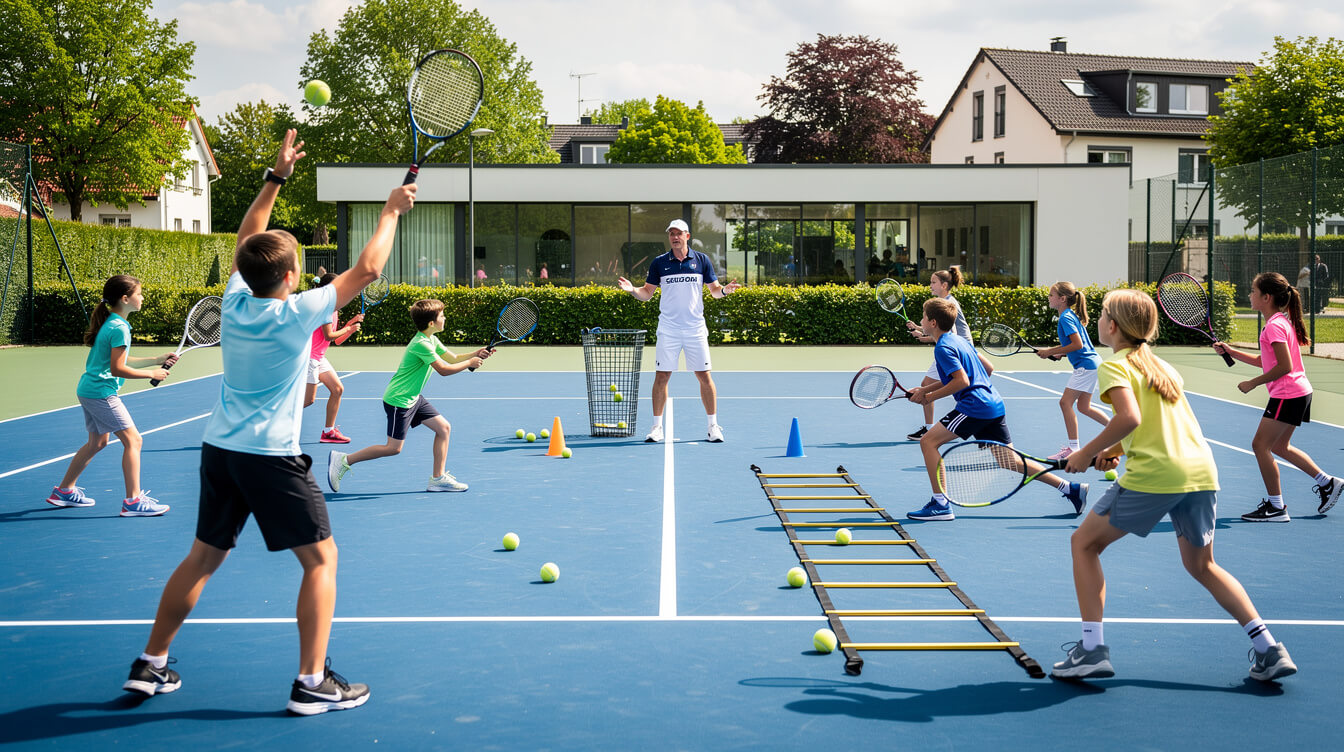
- Program: 20-minute trial blocks, interactive stations, mini-courts, fun tournaments, parental information, Q&A with the coaching team
- Team roles: Head coach (program), hosts (greeting), advisors (entry/prices), social media (photos/reels), organizers (material/timing)
Checklist (summary): Set goals, fix date/times, brief the team, plan stations, reserve material, clarify liability/first aid, prepare lead forms/QR form, write follow-up texts, start promotions, send reminder emails.
Marketing and promotion for student acquisition events
- Online: Event page, club news, Google business profile, Facebook/Instagram events, local calendars
- Offline: Posters at schools/kindergartens, flyers in the neighborhood, partnerships (sports shops, cafés)
- Incentives: Free of charge, rental rackets, immediate voucher for trial training, friend-bring bonus
For more reach and community building, use this guide to locally market your tennis school.
Additional tennis school event formats for enhancement
- Mini-tournaments & internal leagues: Increase visibility & retention – practical guide to organizing tournaments
- Trial camps during vacation periods: Ideal follow-up format for kids/teens – see summer camp guide
- Special workshops: Technique, fitness, mental – deepen interest after initial contact
Lead management and follow-up
- Capture & segmentation: QR form/tablet at check-in; segment by age, level, goal (fitness, competition, kids)
- Follow-up: Within 24–48 hours, invitation to trial training + appointment link; optional phone follow-up for high intent
- Offers: Entry discount/start package; best practice impulse from the success factors for tennis clubs
Success measurement and optimization
- KPIs: Registrations, actual participations, trial training opt-ins, new memberships, cost per registration
- Feedback: Short survey at exit (QR), debrief with coaching team, documentation of learnings
- Optimization: Timing, visitor guidance, slot lengths, call-to-action placement continuously test
Conclusion and recommendations
An open house is an ideal starting point for student acquisition: low-threshold, visible, and consulting-oriented. Combine clear promotion, low-cost participation offers, direct coach contact, and a structured follow-up. This way, you can transform visitors into new registrations in a planable manner – and sustainably grow your tennis school.
FAQ
How many new registrations are realistic after an open house?
This varies depending on reach and follow-up. Practical values often lie at 10–30% trial training opt-ins and 20–50% conversion from trial training to course/membership – with strong offers and prompt follow-up, higher rates are possible.
How many coaches and courts should I plan for?
Plan 1 coach + 1 host for visitor guidance per active court. For 60–100 participants over 3–4 hours: 3–4 courts, 3–4 coaches, 2–3 hosts. Mini-courts and stations help to spread out peaks.
Do I need a registration or is open attendance enough?
Combine both: open participation for spontaneous visits, optional pre-registration for better resource management. Registration provides leads in advance and improves your follow-up rate.
Which marketing channels work best?
Locally strong: club website, Instagram/Facebook events, Google business profile, school/kindergarten network, partners in the neighborhood. For specific tactics, use the guide to locally market your tennis school.
How do I measure the success of my event?
Track registrations, check-ins, trial training opt-ins, conversion to course/membership, cost per lead/new customer, and feedback scores. Compare KPIs per channel and iteratively optimize timing, program, and calls-to-action.